


Why Are Respiratory Infections So Common?
Acute respiratory infections cause an estimated 3.5 million deaths worldwide each year.
Protect your family from severe illness
You need to understand how your body works to protect you from respiratory infections and what you can do to help protect your family from severe illness.
Upper respiratory infections: Is it viral or bacterial?
Research shows that both viruses and bacteria (and other pathogens) can cause respiratory infections. Viruses such as COVID-19, influenza and RSV cause most upper respiratory tract infections.

A bacterial respiratory infection is most commonly caused by Streptococcus pneumonia, Haemophilus influenza and Moraxella catarrhalis. Streptococcus pneumonia causes pneumonia, a lower respiratory tract infection of the lungs.
Did you know? Your mucous contains antibacterial and anti-viral substances that can recognise and destroy potential threats.
How Your Body Keeps You Safe From Respiratory Infections
Your nose contains bacteria and germs which love to hide in the hair follicles and skin within your nostrils. Although this is entirely normal, the trouble begins when harmful germs and bacteria venture further up into the nose.
Usually, harmful and stray germs like viruses and bacteria are swept away by our body’s mucociliary clearance system. Your respiratory tract is covered in tiny hairs and a thin layer of mucous that traps inhaled dust, bacteria, viruses, and allergens. These tiny hairs (micro cilia) move in a wave-like motion and sweep away pathogens to be either coughed out or swallowed and destroyed by stomach acid.

The mucous membranes in our nose have two primary functions:
- Warm, humidify, clean and filter inhaled air
- Act as the first line of defence against inhaled pathogens
How can cold and dry air cause a respiratory infection?
One of the leading causes of respiratory infections is the failure of the body’s first line of defence, the mucociliary clearance process. Cold and dry air irritates the mucous membranes that line your nose and sinuses leading to inflammation and respiratory infection.
Cold and dry air causes the sinuses to lose moisture, causing mucous to thicken and form clumps. Stagnant mucus provides a fertile breeding ground for bacteria where they can replicate, produce toxins and cause a respiratory tract infection. The body responds by pumping extra blood with extra white blood cells to the infected area. The resulting pressure from inflammation often causes pain and sinus headaches.

Did you know? A study proved air passengers are 113% more likely to suffer from upper respiratory tract infections than those who remain at ground level. The ideal humidity for the human nose is between 30-50%, but cabin humidity drops to below 5% on long-haul flights.
Protect your family with humidification
Worldwide, doctors are beginning to realise that in order to fight off and prevent sinus and respiratory infections, they cannot rely on medication alone. You need to ensure your mucous membranes are healthy and functioning correctly to protect yourself from severe illness and infection.
Air inhaled that is warm and moist protects your mucous membranes from drying out, thus maintaining your first line of defence against respiratory infections. The goBU wearable humidifier is designed to warm and moisten the air you breathe through our patented H100 filter.
The goBU wearable humidifier is specifically designed to help restore your first line of defence by normalising the mucociliary clearance process.
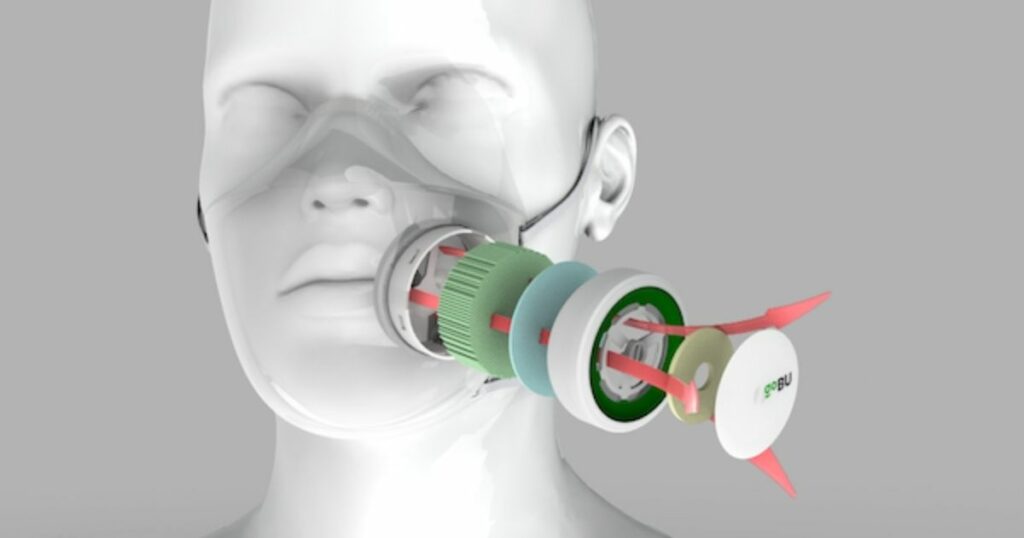
Contact us for more information on goBu wearable humidifiers. We’re here to assist in protecting you and your family from respiratory infections.
To learn more about the benefits of goBU Wearable Humidifiers and how they can help improve respiratory infections, simply visit our website. We also have licensing opportunities available with access to global markets aligned with global trends.
goBU, The Freedom To Be






Leave a Reply